Aesthetic Outcomes
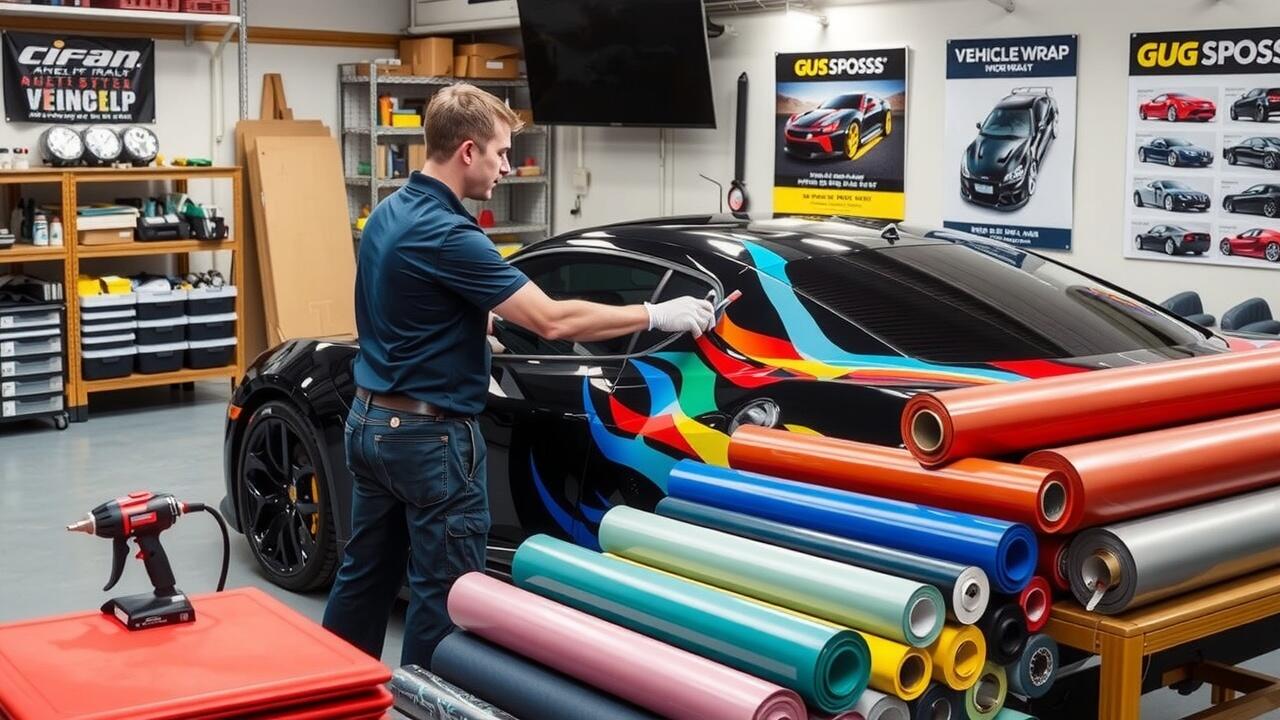
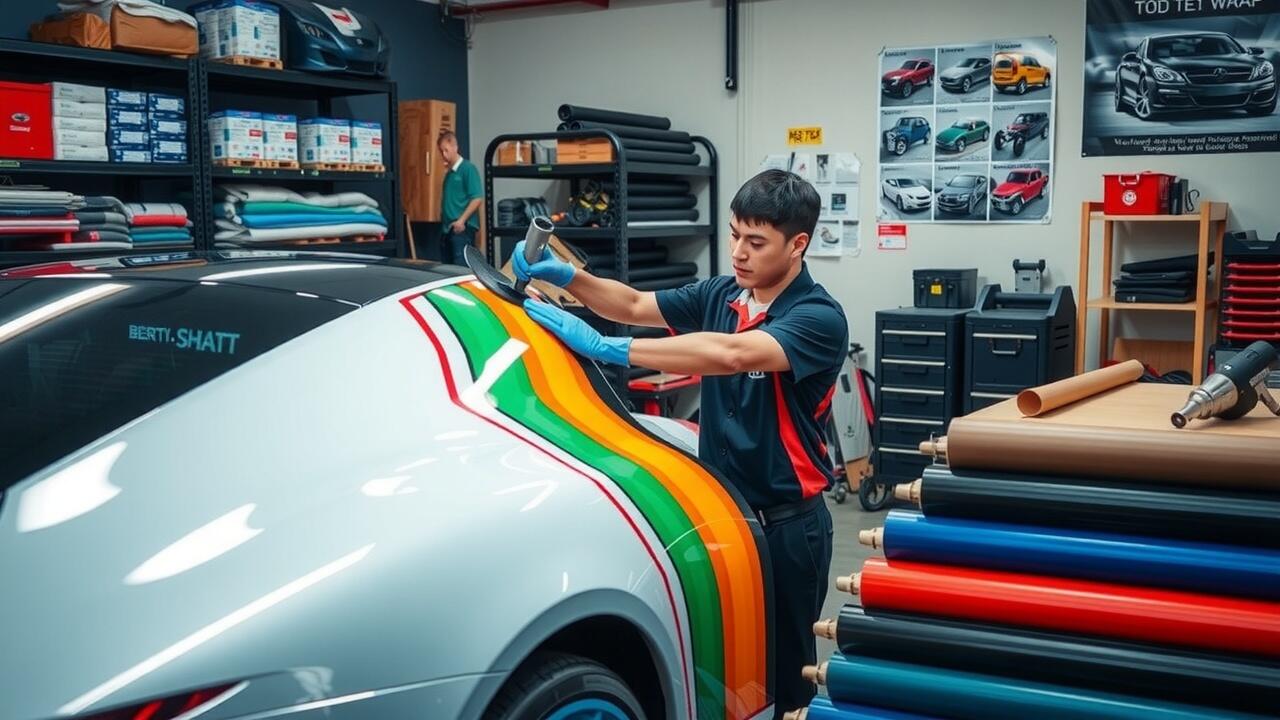
When considering the aesthetic outcomes of painting versus wrapping a car, both options present unique benefits. A fresh paint job can provide a smooth and glossy finish, enhancing the vehicle's overall look while allowing for a seamless blend of colors. Custom paint techniques, including metallics and pearl finishes, can elevate the visual appeal even further. On the other hand, vehicle wraps offer a versatility that paint cannot match. With an extensive range of colors and patterns available, wraps can create striking designs with intricate details, making it easier to achieve a personalized appearance.
Vehicle wrapping is often favored for its ability to change a car's look without permanent alterations. This method allows for quick changes and experimentation with styles, catering to those who might want to refresh their vehicle’s aesthetics regularly. While paint provides a traditional and polished appearance, wraps can make a vehicle stand out in a crowd. Those searching for “Vehicle Wrapping near me” often find options that can fulfill their design visions while preserving the original paint underneath.
Color Options and Customization
When it comes to color options and customization, both painting and vehicle wrapping offer unique advantages. Paint allows for a deep, rich finish with numerous shades and color blends available. However, the customization process can be labor-intensive and costly when creating specific designs or effects. Vehicle wraps present a different approach. They come in a vast array of colors, finishes like matte, gloss, or satin, and options for striking patterns that may be challenging to replicate through traditional paint.
Further customization with wraps is often more accessible for the average car owner. Graphic designs and decals can be easily added to the wrap, providing an opportunity for personal expression without the commitment of paint. For those looking to explore local services, searching for "Vehicle Wrapping near me" can lead to specialized shops that offer quality options tailored to individual tastes. Ultimately, the choice depends largely on the desired aesthetic and the extent of customization one wishes to achieve.
Impact on Resale Value
When considering resale value, the method of customizing your vehicle can significantly influence buyer perceptions. Paint jobs tend to offer a more permanent solution, often enhancing the aesthetic appeal of the car. A well-executed paint job can attract buyers looking for durability and a classic look. However, some custom paint jobs may not appeal to everyone, narrowing the potential buyer pool.
On the other hand, vehicle wrapping provides a unique opportunity for personalization without as much commitment. Wraps are easily removable, allowing the original paint to remain intact. This aspect can be attractive to buyers who appreciate the option to revert the vehicle to its original state. Furthermore, the convenience of searching for “Vehicle Wrapping near me” has increased accessibility, making wraps a popular choice among car enthusiasts looking to maintain or even enhance their vehicle's resale value.
How Each Method Affects Car Value
Painting a car generally provides a more permanent solution, resulting in a smooth appearance that can enhance a vehicle's resale value if done professionally. Quality paint jobs often feature thicker layers and clear coats, which protect the underlying structure from oxidation and rust. Buyers often associate a well-painted car with good maintenance and care, which can positively influence their purchasing decisions. However, poor-quality paint jobs can diminish value, causing potential buyers to question the car's overall condition.
On the other hand, vehicle wrapping can also significantly impact resale value but in different ways. A well-executed wrap can attract buyers seeking a unique look without the permanence of paint, making the vehicle more appealing. Additionally, wraps protect the original paint from UV rays and minor abrasions, preserving the car’s factory finish underneath. Nevertheless, the longevity of a wrap and potential fading can deter some buyers, who may be less familiar with the wrapping process. Those interested in exploring this option may search for "Vehicle Wrapping near me" to find local services that can assist them in adding this aesthetic enhancement.
Environmental Considerations
When considering the environmental impact of car customization, both painting and wrapping present distinct advantages and challenges. Automotive paint often contains volatile organic compounds (VOCs), which can contribute to air pollution during and after application. This aspect raises concerns about the environmental footprint of traditional paint jobs. In contrast, vinyl wraps typically contain fewer VOCs and can be installed without the same level of solvent exposure. However, the production of vinyl materials can still have significant environmental implications, as their manufacturing process may involve non-renewable resources.
Another crucial factor is the longevity and disposability of these materials. Painted surfaces can last many years but eventually require repainting, which can generate waste. Vehicle wrapping, while not permanent, can also contribute to landfill issues once it reaches the end of its life cycle. For those concerned about sustainability, exploring local options for responsible disposal or recycling of both paint and wraps is essential. A quick search for "Vehicle Wrapping near me" may yield services that prioritize eco-friendly practices, providing more sustainable choices for vehicle customization.
Eco-Friendliness of Paint vs. Wrap
When considering the environmental impact of car aesthetics, the choice between paint and wrap becomes crucial. Traditional automotive paints often contain volatile organic compounds (VOCs), which can be harmful both to the environment and human health during application. Many modern paint options have made strides by reducing these harmful chemicals, but they still produce waste during the application process. Paint jobs typically require multiple layers and extensive prep work, leading to more considerable resource use over time.
On the other hand, vehicle wraps present a compelling alternative from an eco-friendliness perspective. High-quality wraps can be removed later without damaging the original paint underneath, allowing for a reduced waste impact throughout the car's lifespan. Plus, many wrap materials are now being developed with sustainability in mind, focusing on recyclable elements. If you're curious about the environmental aspects and options available, searching for “Vehicle Wrapping near me” could connect you with local providers who emphasize eco-friendly products and practices.
FAQS
Is it generally cheaper to paint or wrap a car?
The cost can vary based on factors like the quality of materials and labor, but generally, wrapping a car can be less expensive than a high-quality paint job.
How long does a car wrap usually last compared to paint?
A car wrap typically lasts between 5 to 7 years with proper care, while a good paint job can last much longer, potentially up to 10 years or more.
Can I remove a car wrap easily?
Yes, car wraps can be removed relatively easily without damaging the underlying paint, provided they are removed within a few years of installation.
Does wrapping a car affect its resale value?
Yes, wrapping can affect resale value. A well-done wrap might maintain the car's value better by protecting the original paint, but potential buyers may have preferences for paint over wraps.
Are there any environmental concerns with painting or wrapping a car?
Yes, both processes have environmental impacts; however, some wraps are made from eco-friendly materials, while traditional paint can contain volatile organic compounds (VOCs) that are harmful to the environment.